

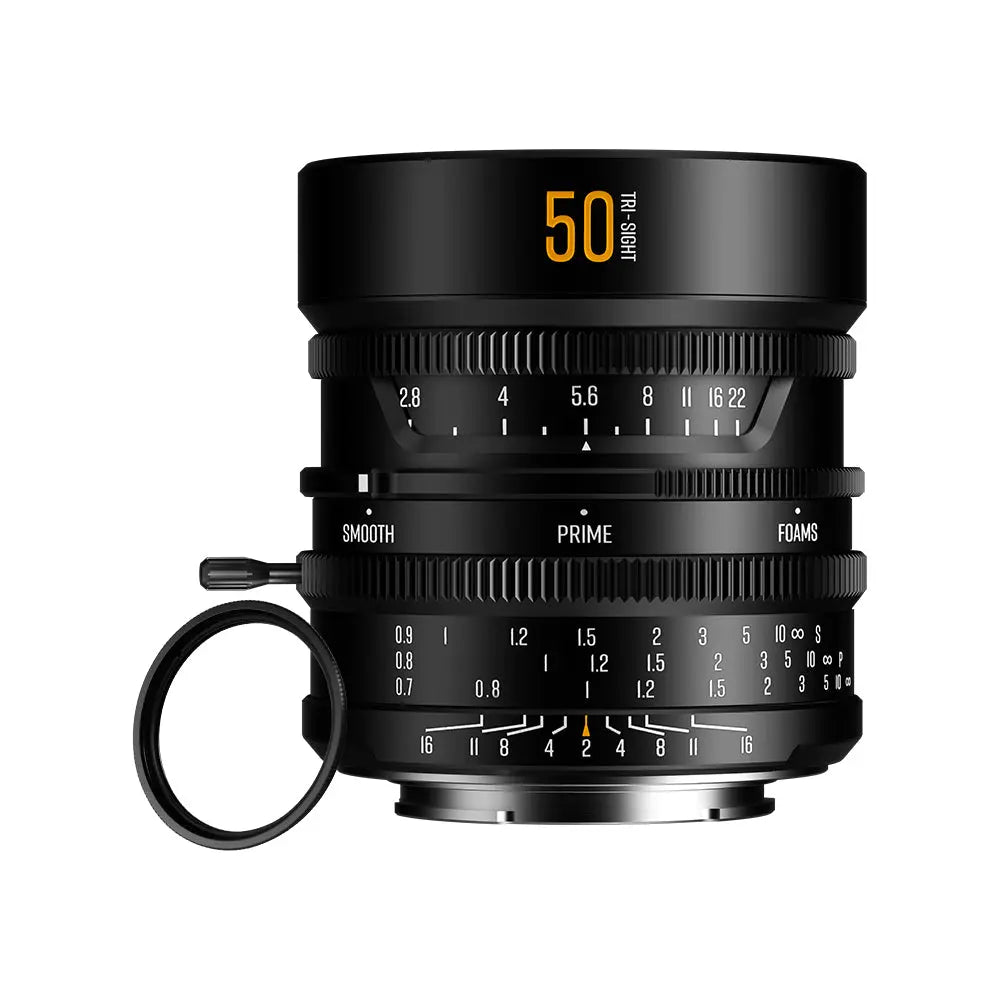
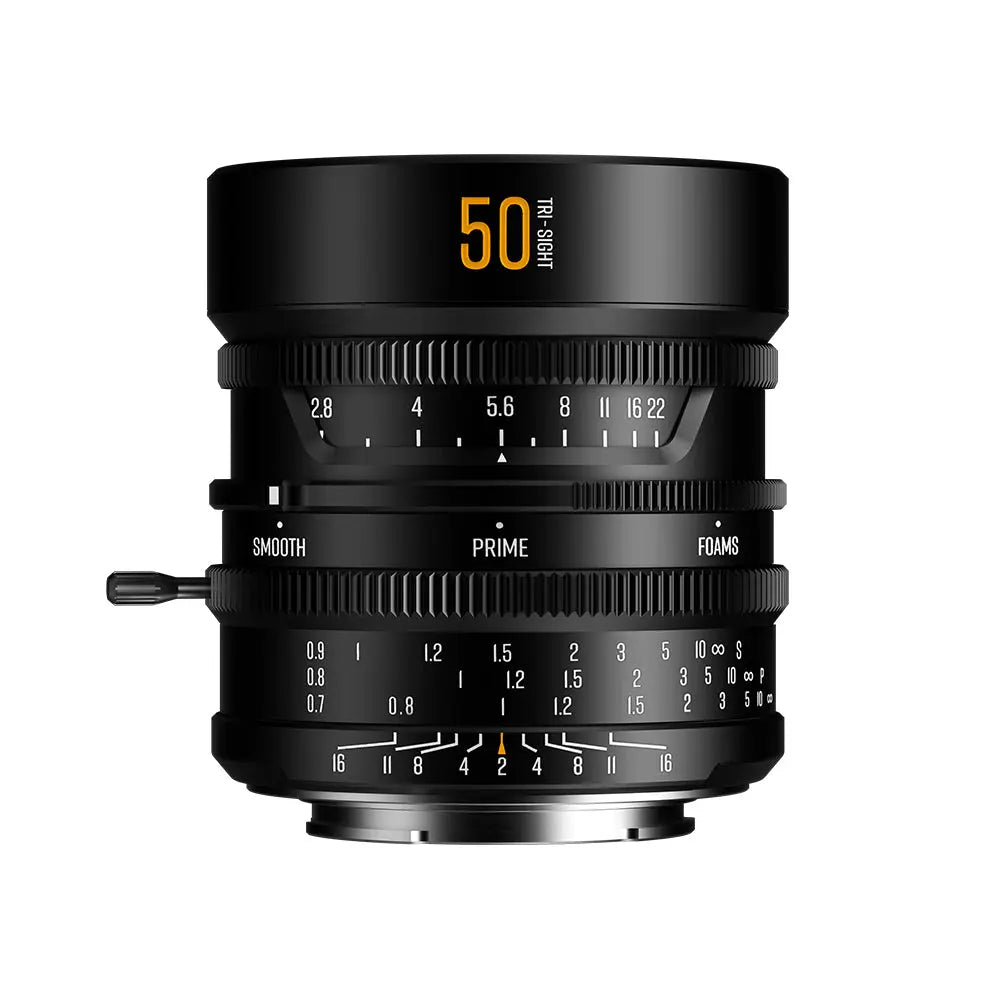
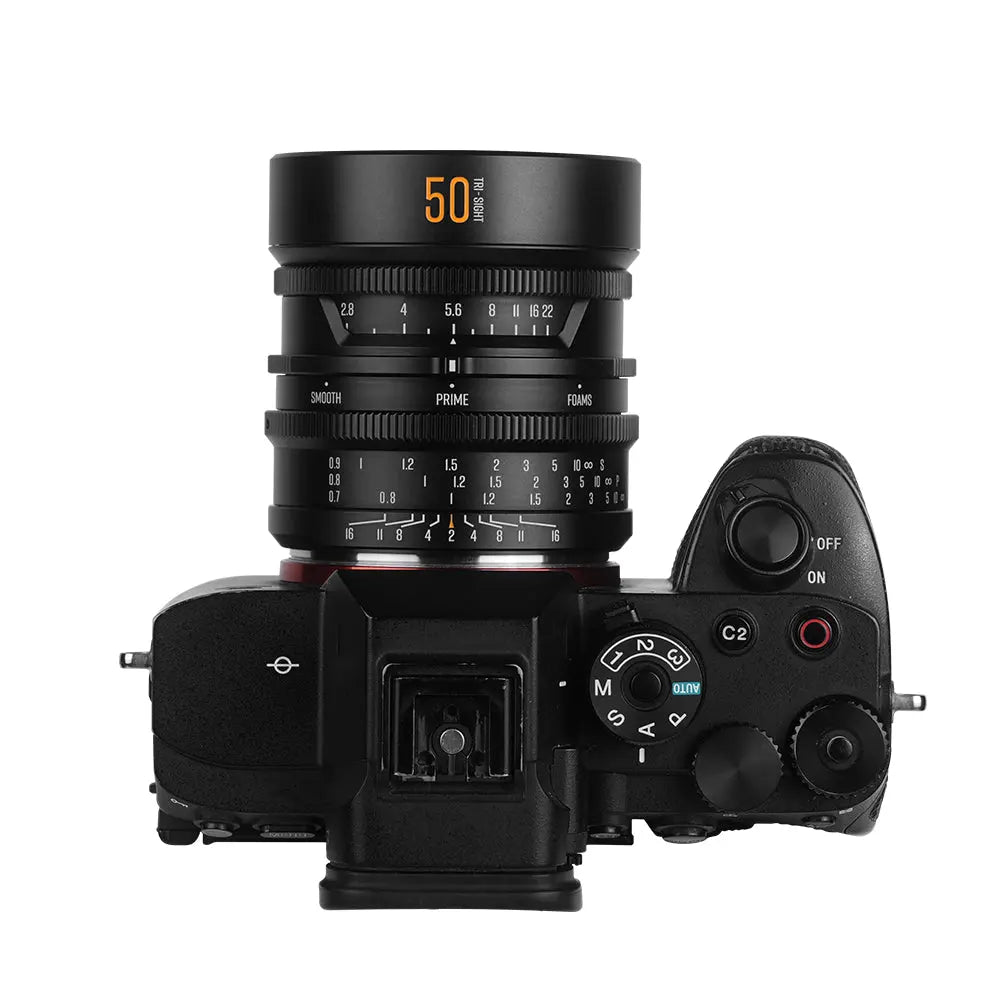
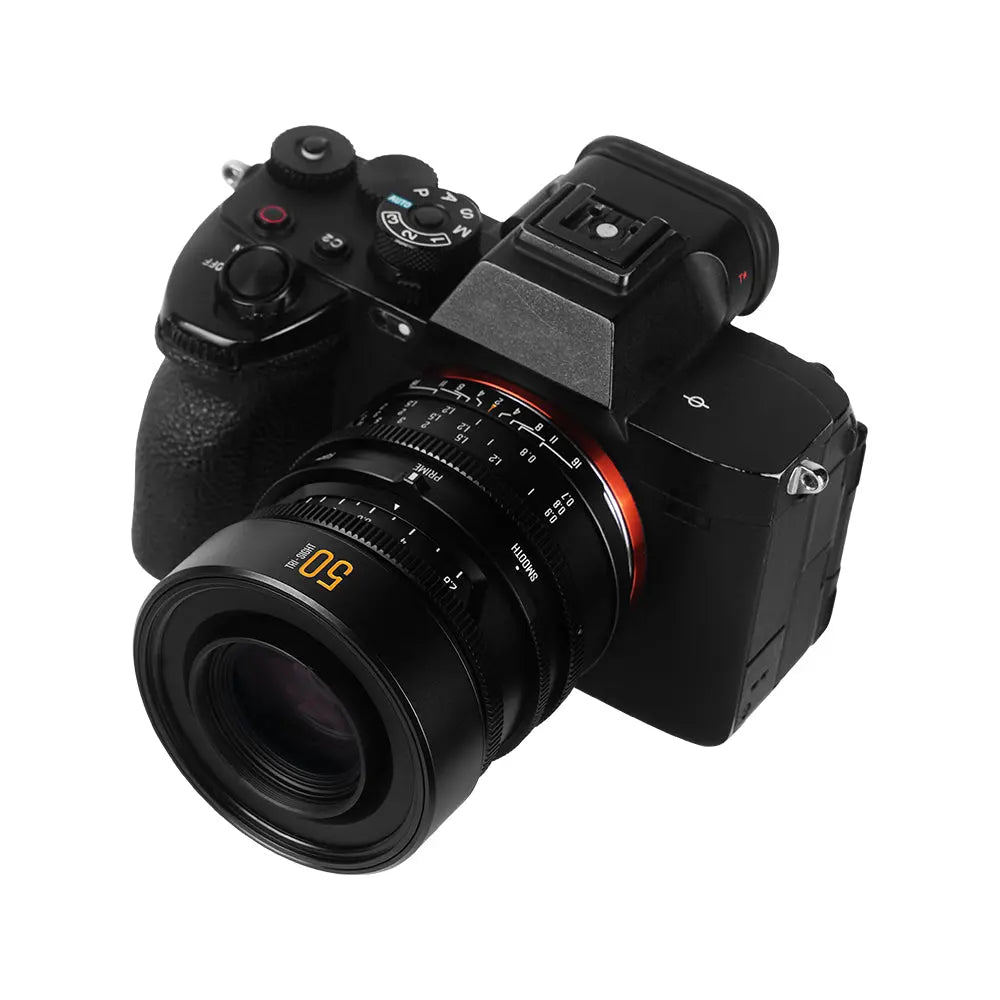
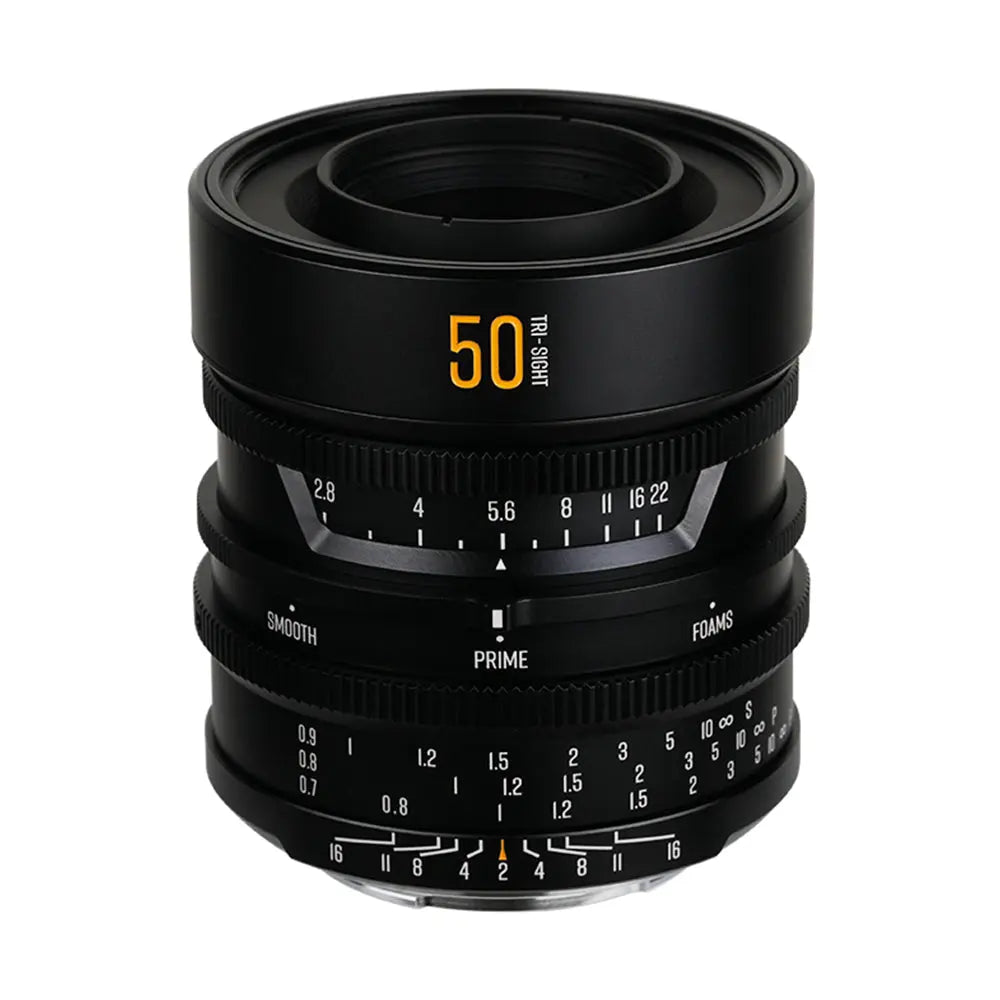
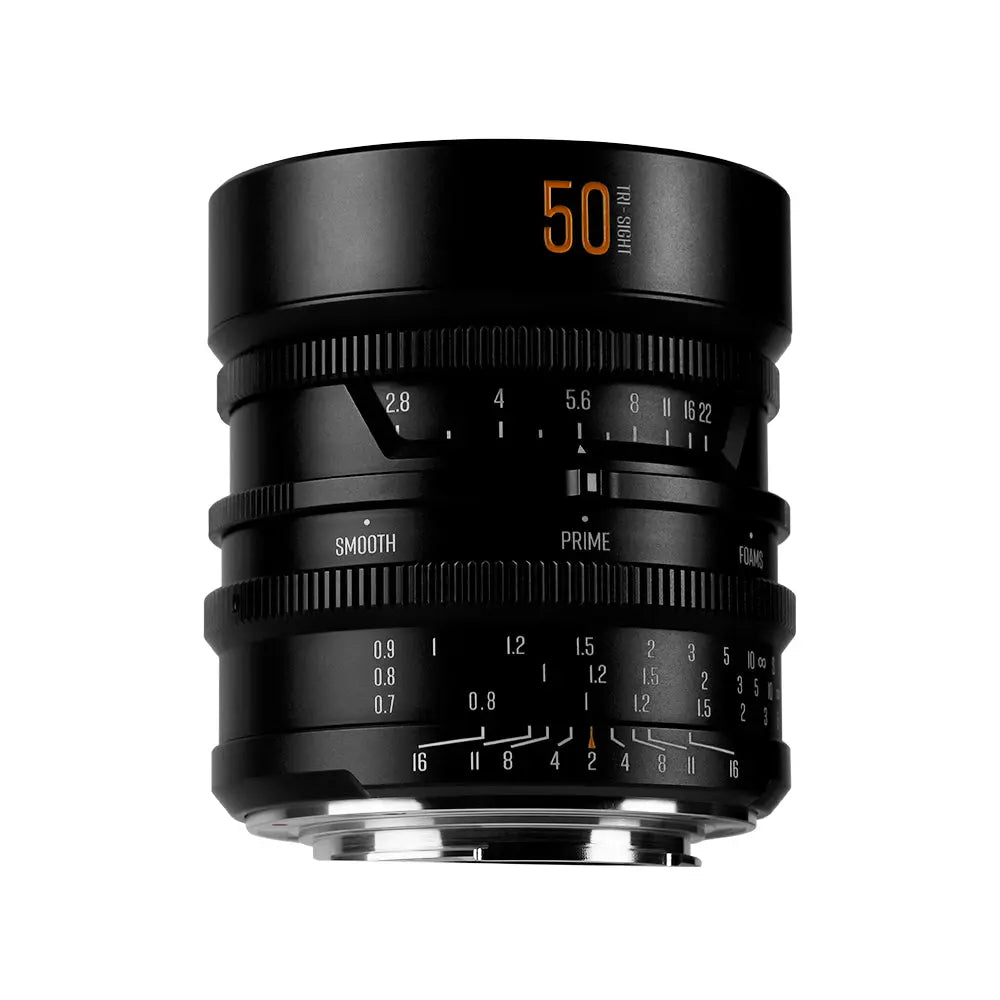

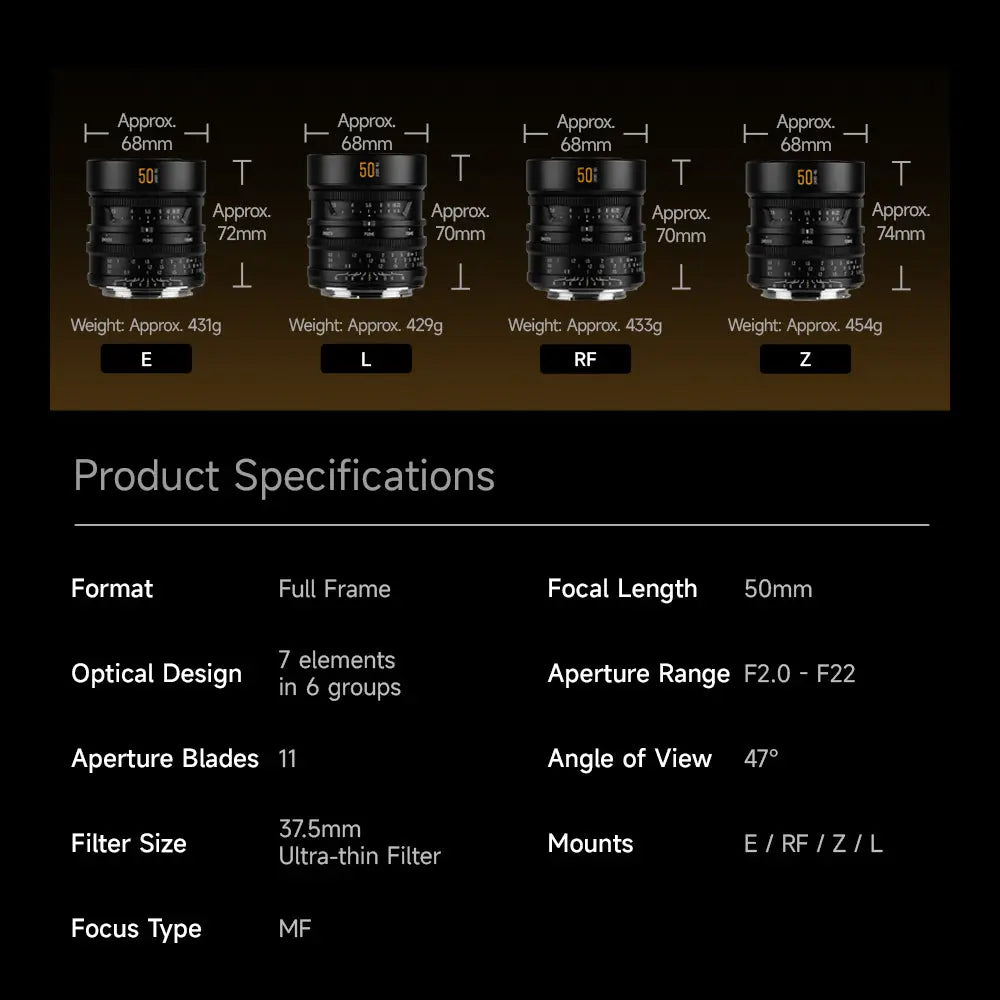
BRIGHTIN STAR MF 50mm F2.0 TRI-SIGHT Full-Frame Art Lens
- Three rendering modes: soft, natural, and bubble bokeh.
- Precision lens movement shapes each optical look.
- Rear bokeh inserts create distinctive shaped highlights.
- F2.0 aperture adds depth and low-light flexibility.
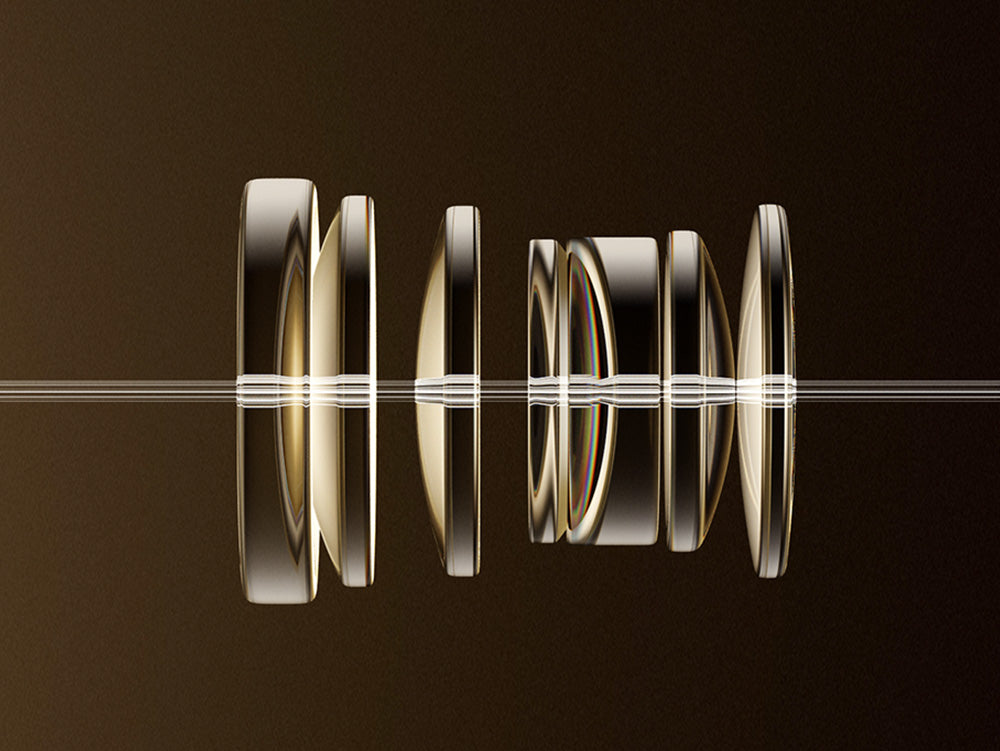
- 7-element, 6-group optics balance character and clarity.
- Stepless aperture and tactile controls suit photo and video.
Free Shipping
90-Day Easy Returns
2-Year Warranty
Tax & Duty Support
Official Store Guarantee
BRIGHTIN STAR MF 50mm F2.0 TRI-SIGHT Full-Frame Art Lens


More Than Three Looks. An Optical System Built for Creativity.

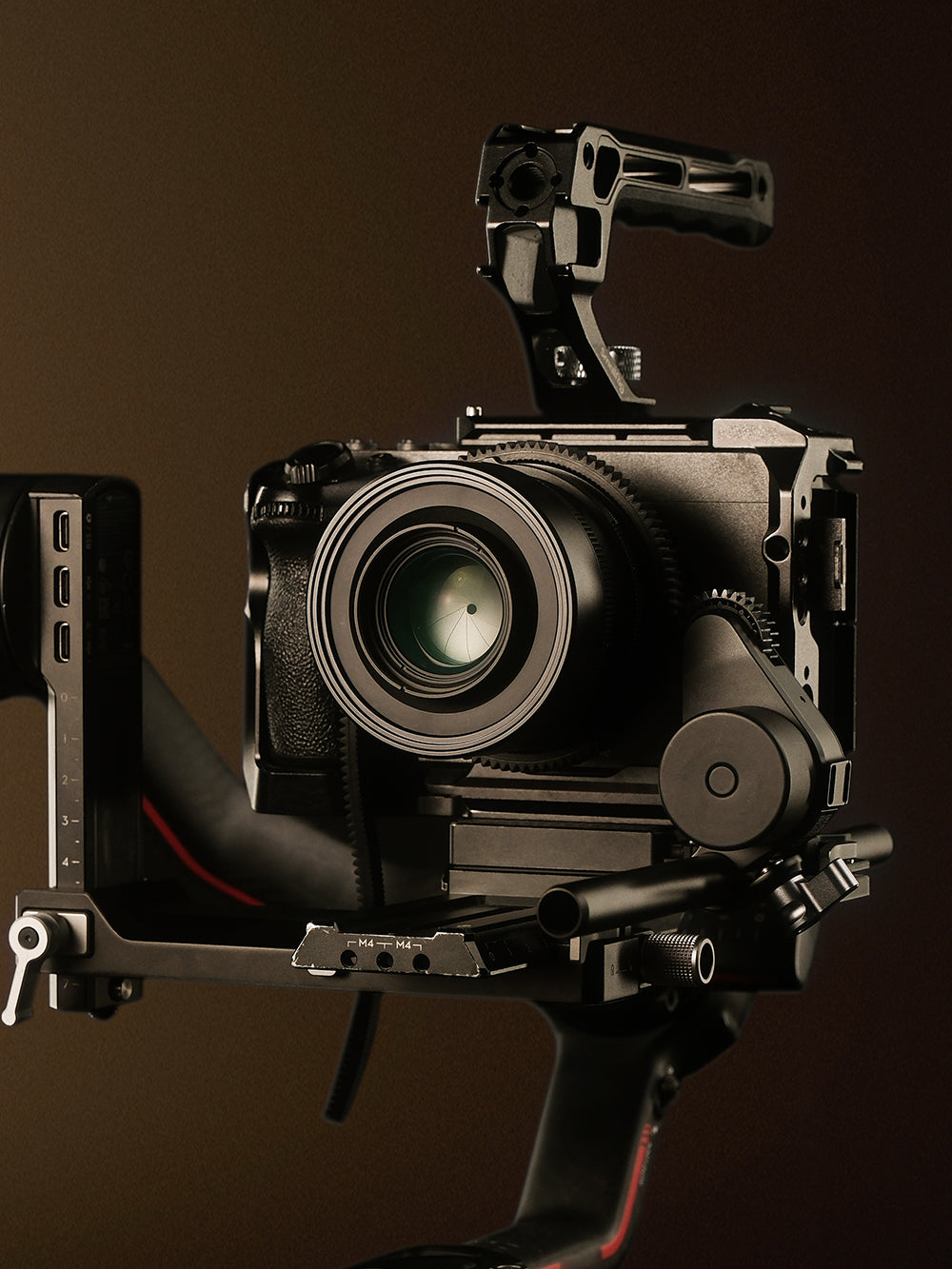
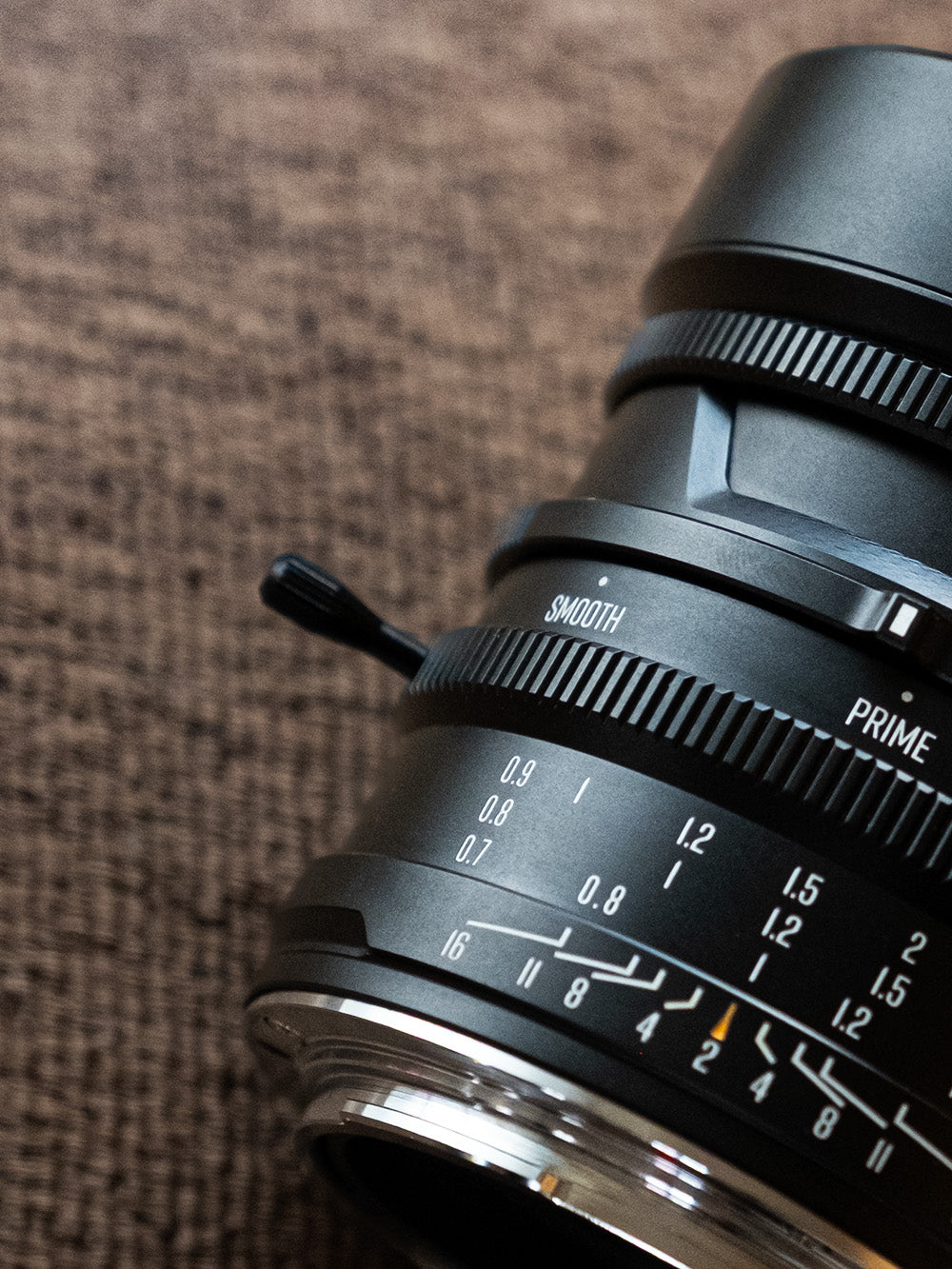
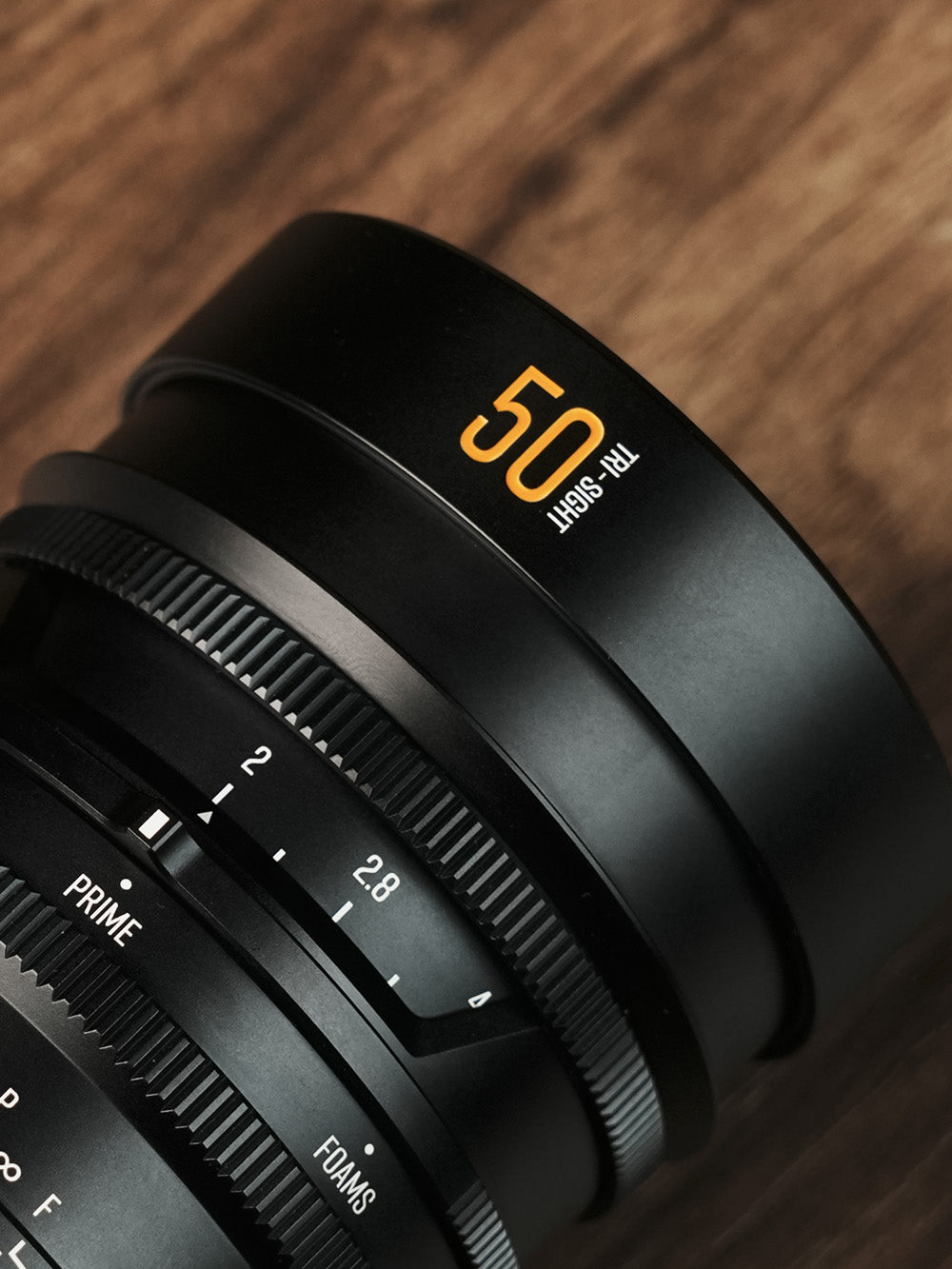
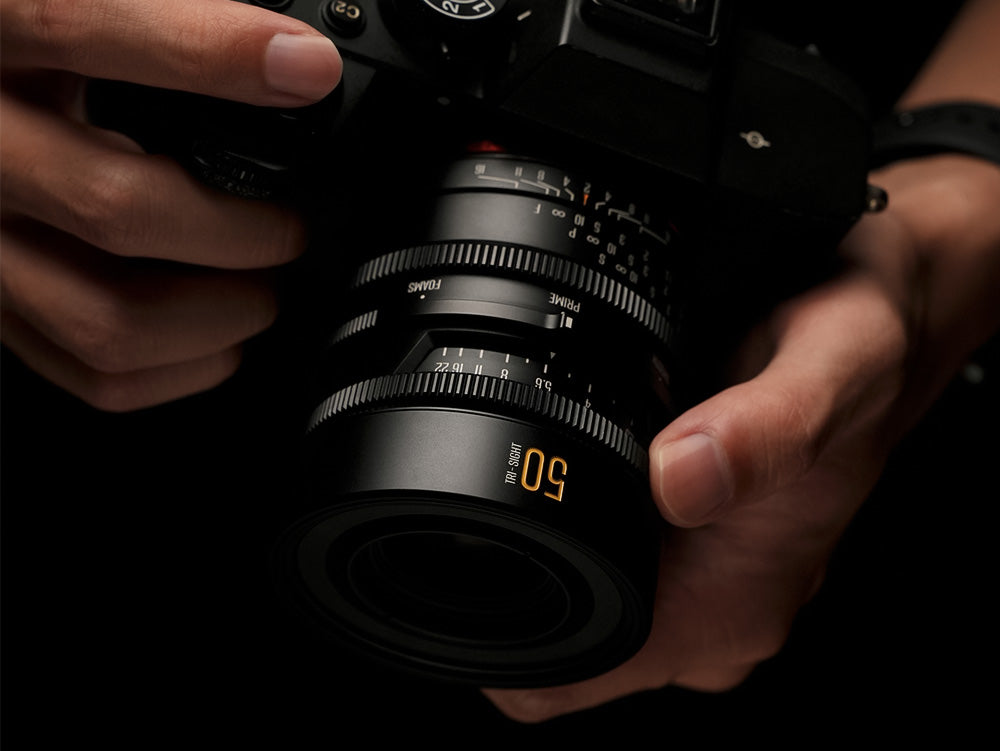
50mm F2.0 TRI-SIGHT
One Scene. Three Distinct Expressions.
The Flow of Light
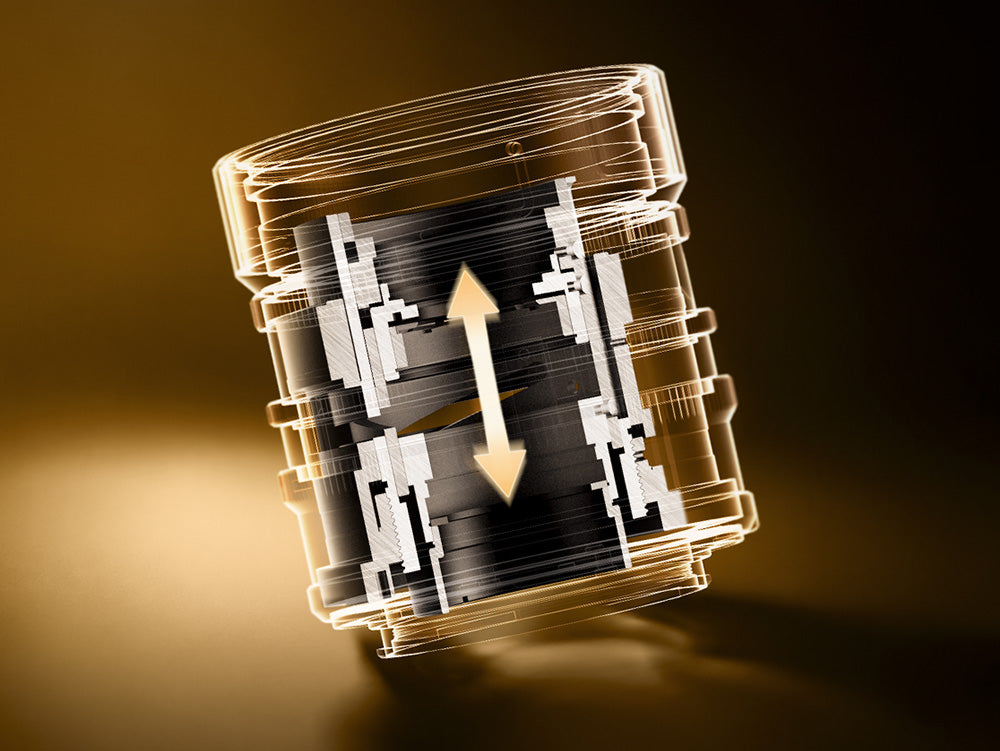
Precision Lens Movement
Through controlled lens group movement, the optical system fine-tunes spherical aberration correction across different focus distances, creating a seamless transition between three unique rendering characteristics.

Video Moments
From soft focus to clarity, from natural to dreamlike—ideal for vlog intros, mood films, rainy-night lights, and atmospheric transitions.
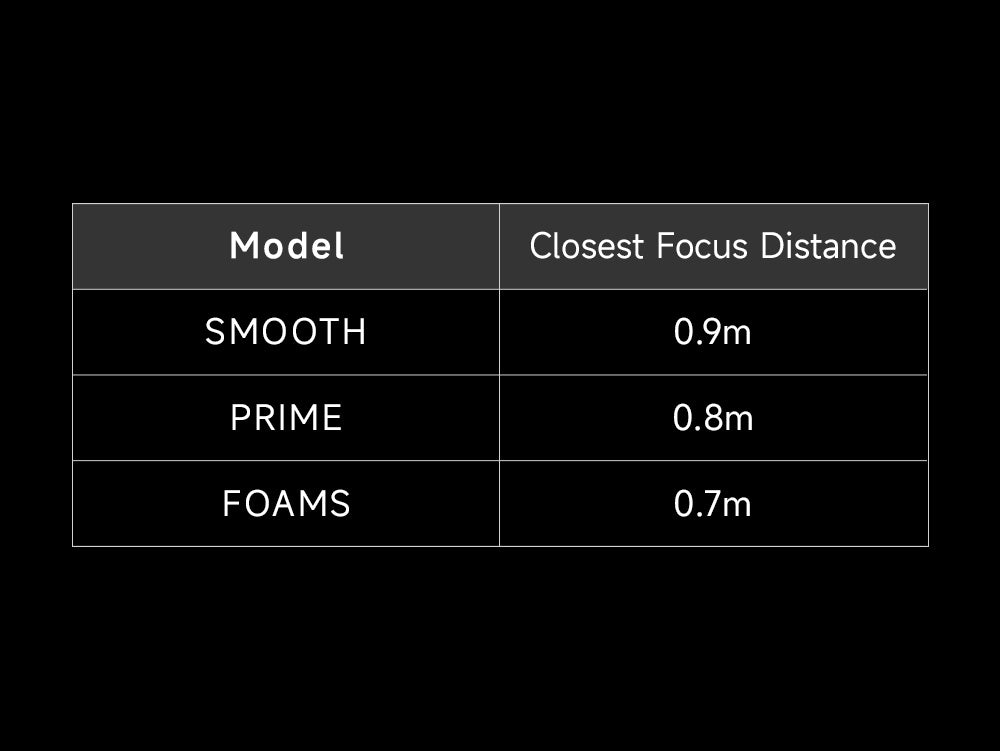
As Focus Distance Changes
Spherical aberration varies with focusing distance and image magnification. Through precise forward and backward movement of the lens groups, the TRI-SIGHT system reshapes how light converges at different distances—not simply switching effects, but actively controlling the optical rendering.

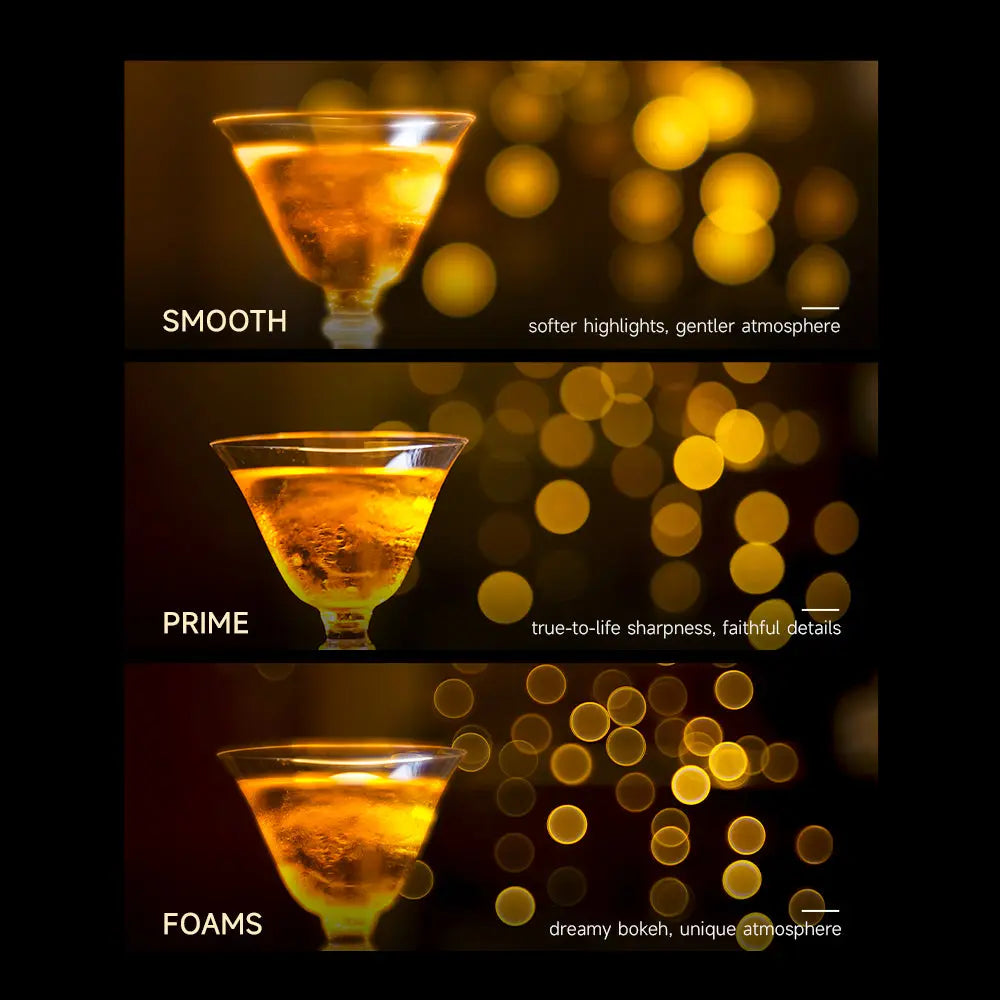
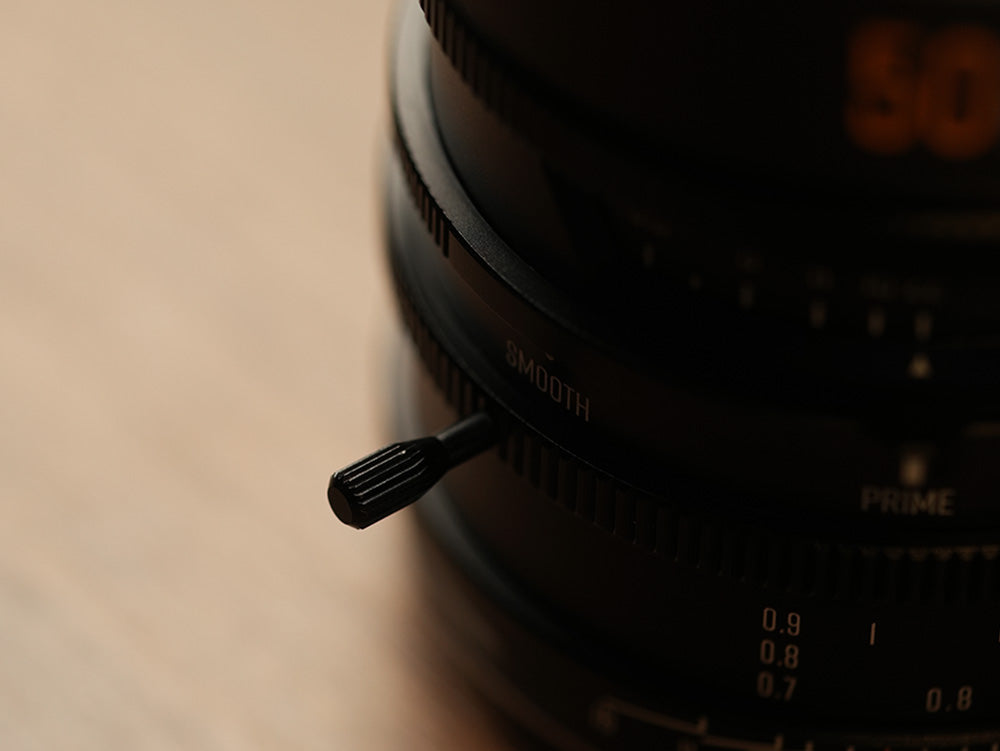
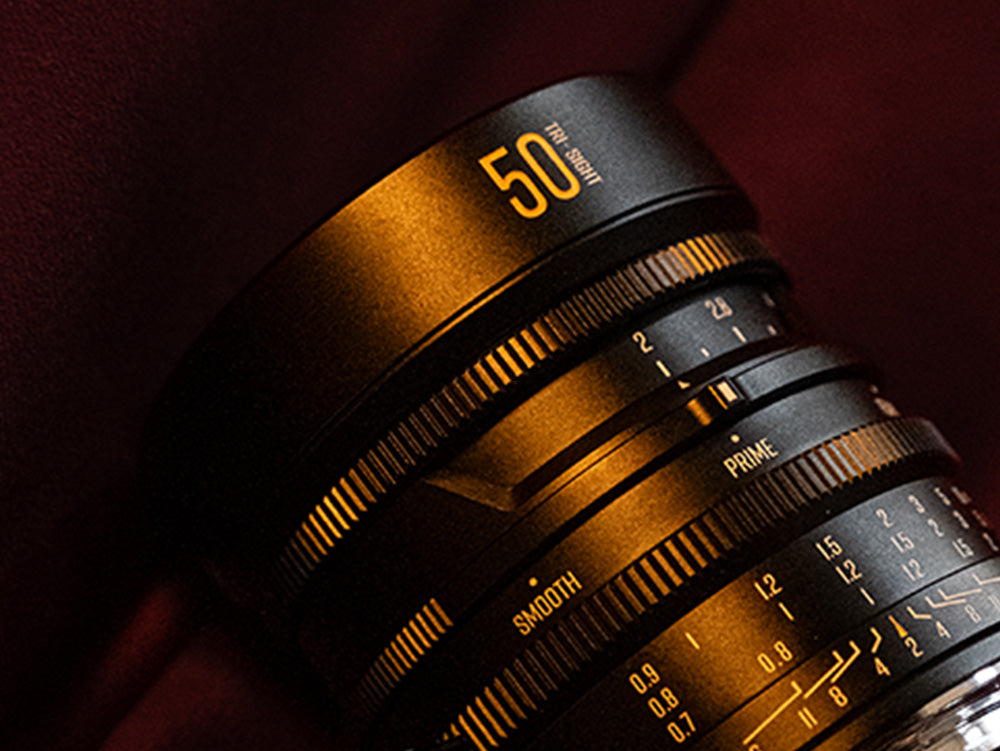
SMOOTH · Soft Focus Mode
Soft doesn’t mean out of focus. Highlights bloom gently while the eyes and facial contours retain clear focus, creating a softer image without losing the subject.
As the light softens, the mood feels more intimate.

PRIME · Standard Mode
When you simply want to capture what’s in front of you, PRIME offers a familiar, natural 50mm perspective, keeping just the right distance between people and their surroundings.
From everyday moments on a street corner to the journeys you take.
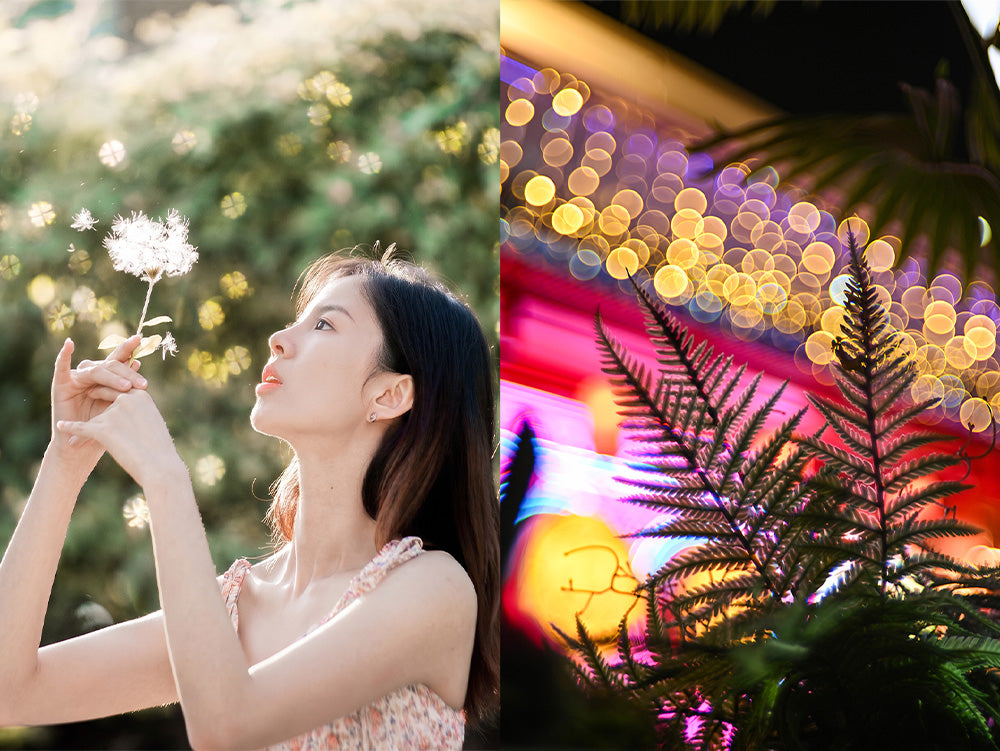
FOAMS · Bubble Mode
When headlights, string lights, illuminated shop windows, and reflections after rain fall out of focus, points of light take on more defined edges, forming overlapping rings of bokeh.
The background becomes more than a blur—it becomes part of the image’s expression.
50mm F2.0 TRI-SIGHT
Shape the light with the rear insert system
Light Has a Shape of Its Own
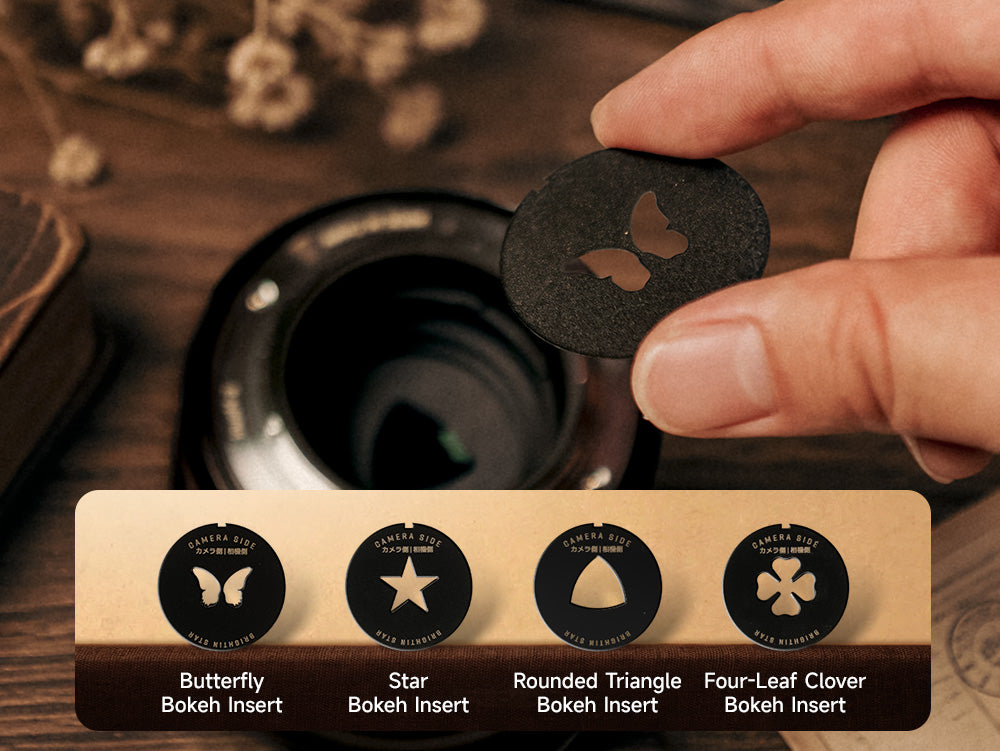
Transform light. Create freely.
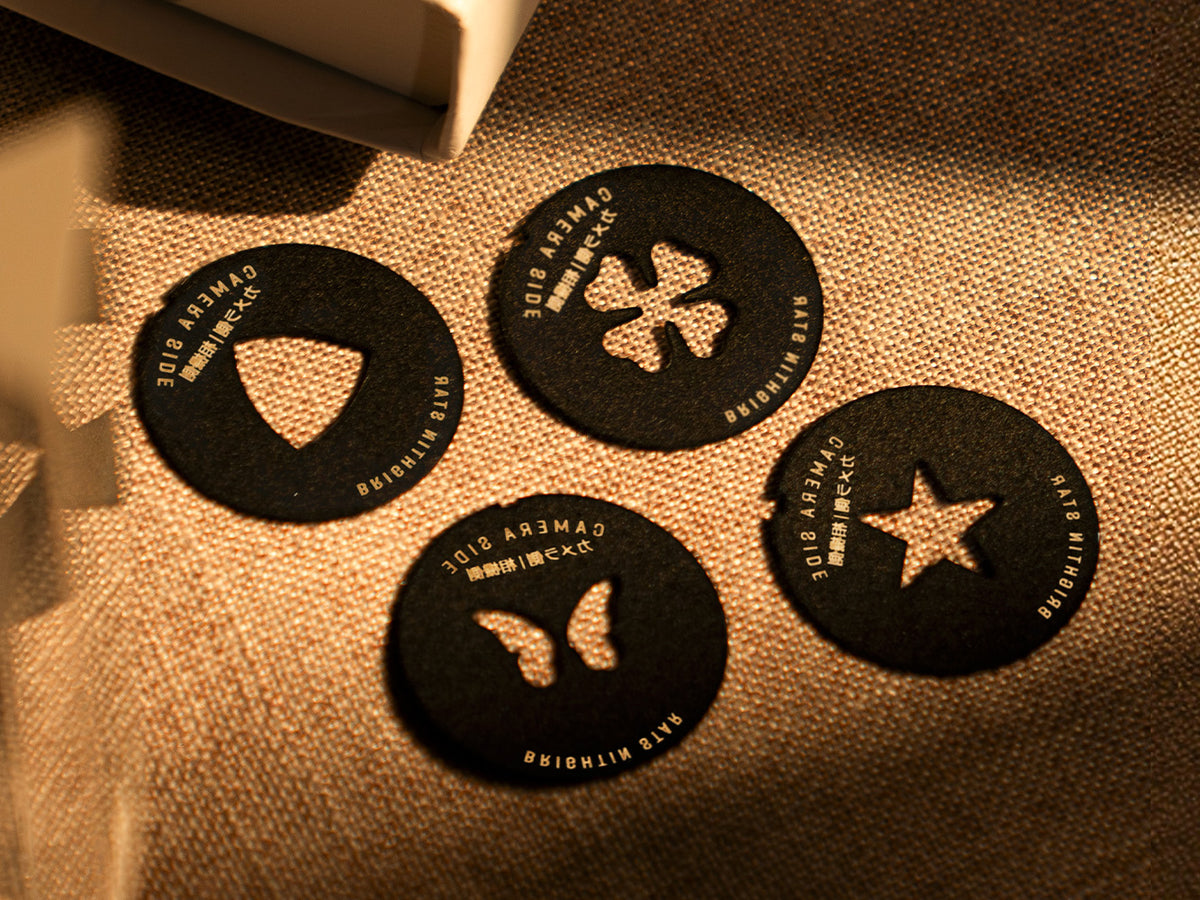
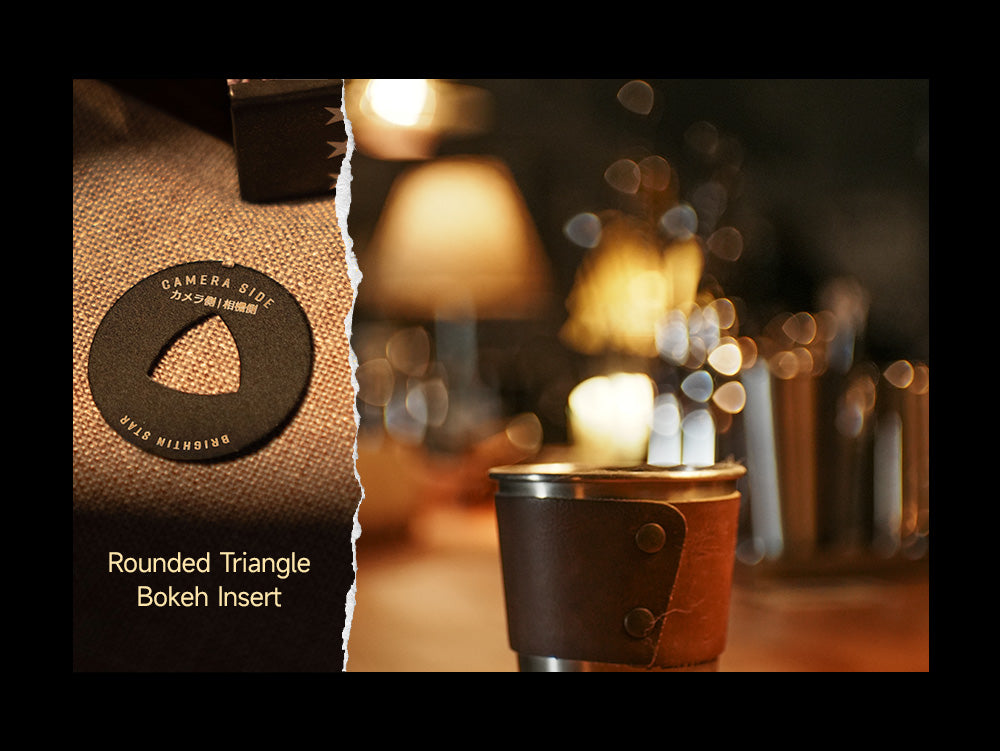
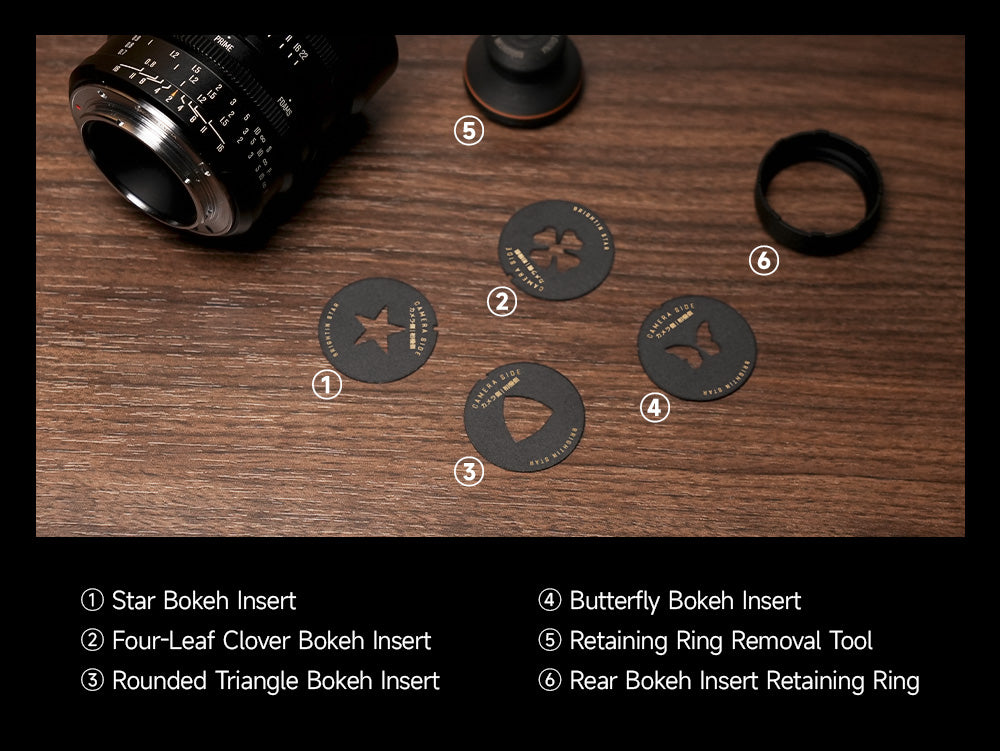
Switch between triangle, butterfly, four-leaf clover, and star inserts.
One insert reshapes bokeh, opening up new possibilities.
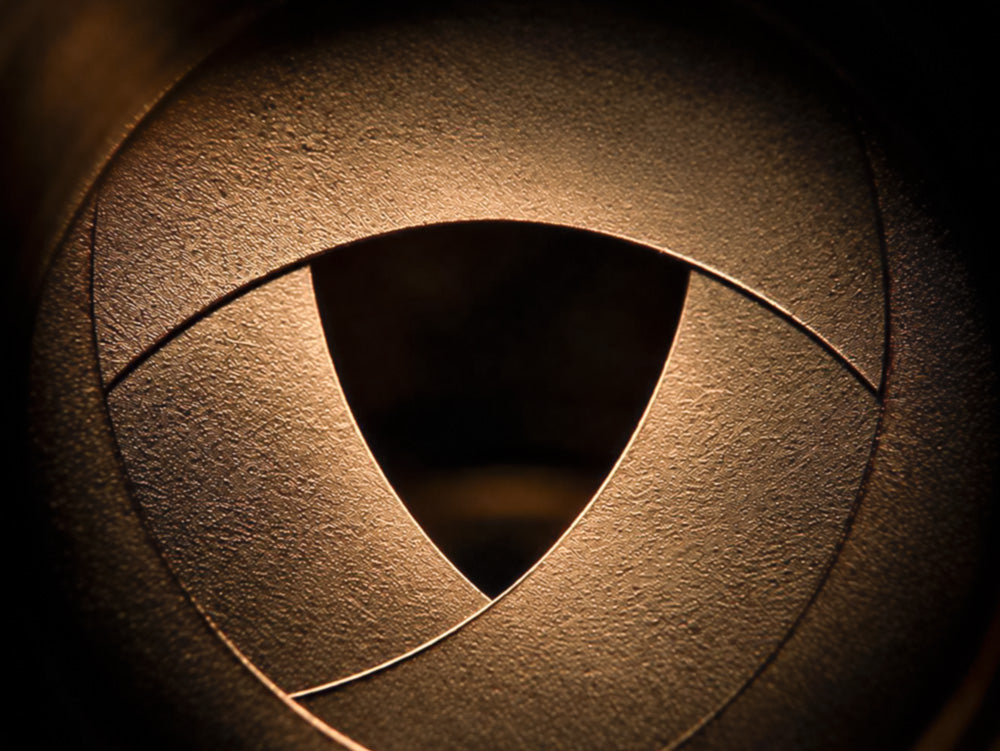
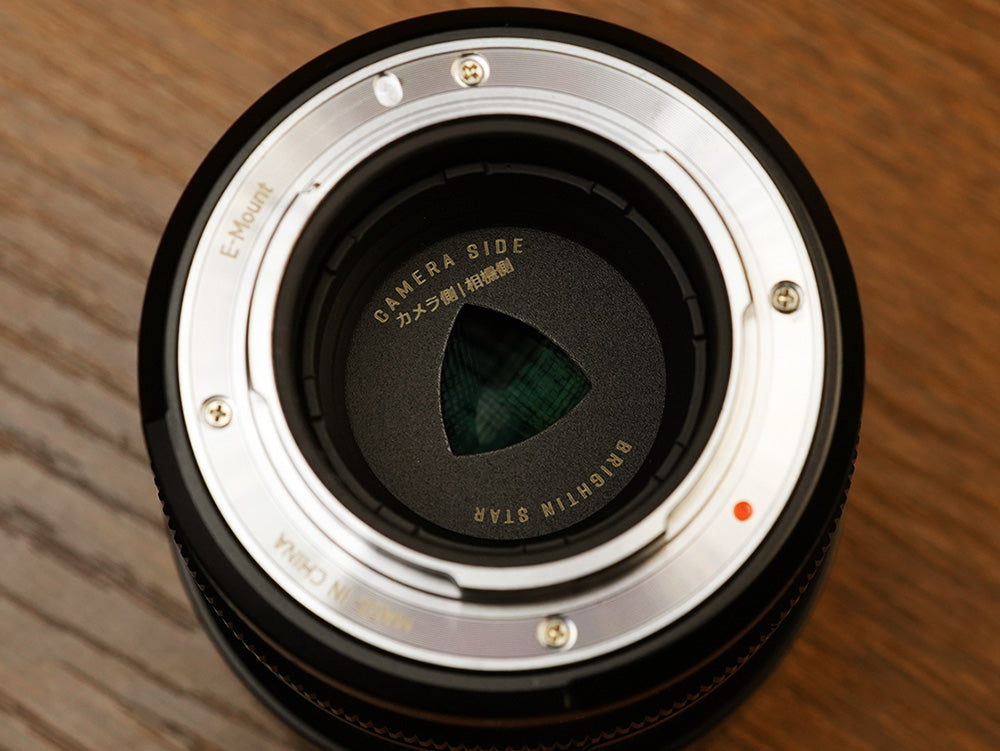
The Triangle Is Just the Beginning
Drawing on this legacy, we turn once-fixed aperture shapes into creative choices you can make your own.



50mm F2.0 TRI-SIGHT
When optics move, mechanical precision matters.
Precision Engineering
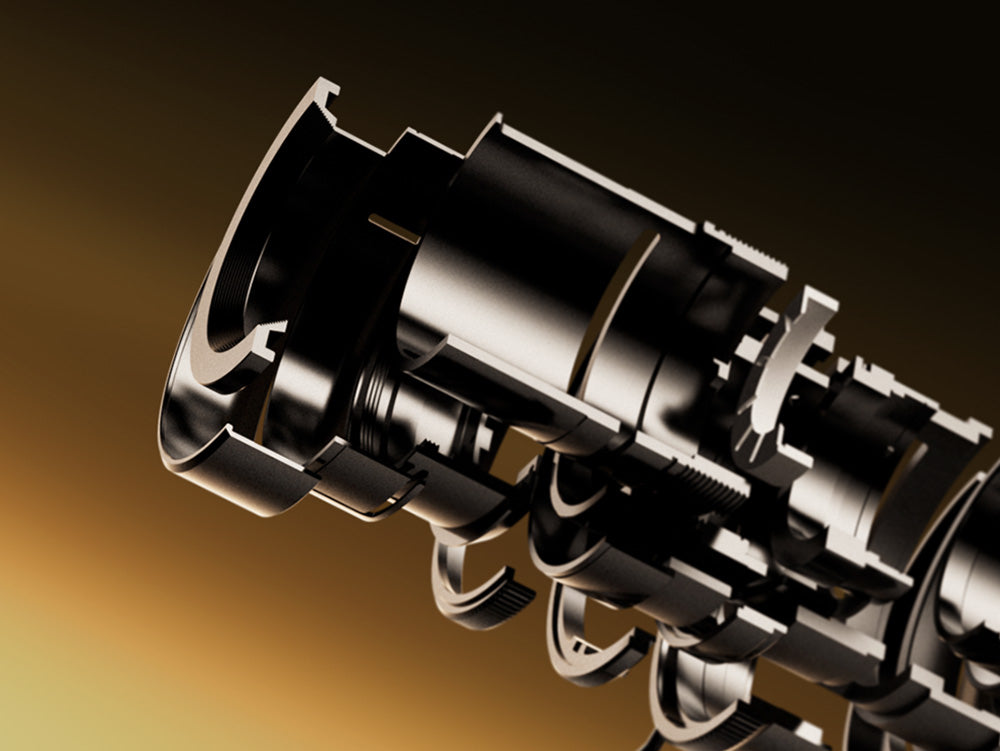
Keeping Complexity Inside the Lens
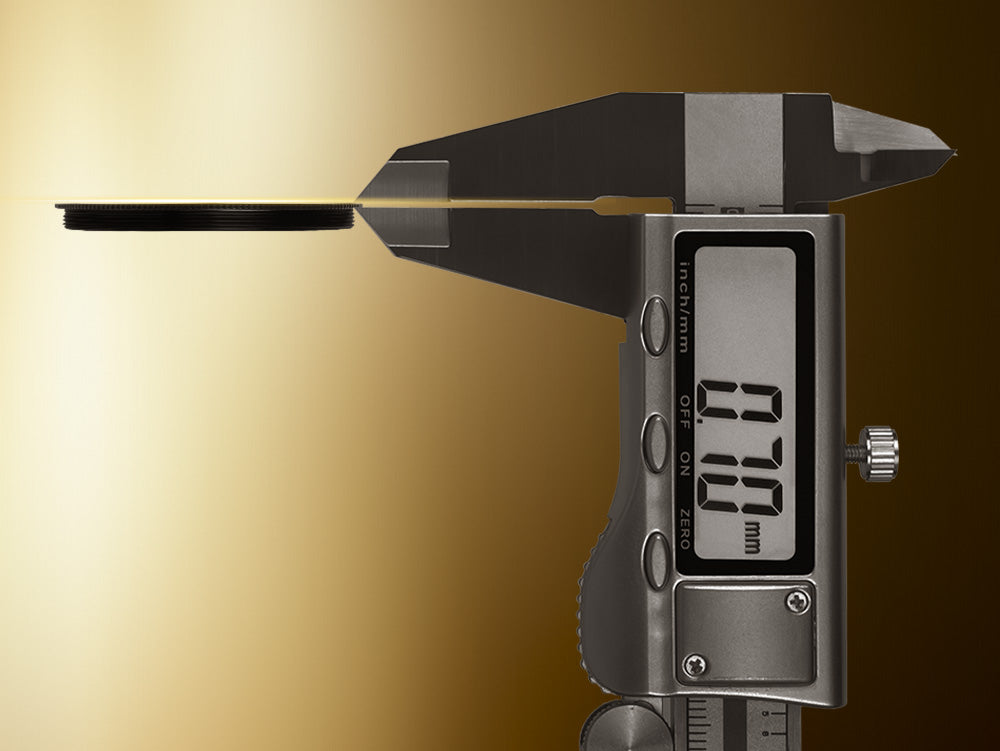
Over 50 components bring three modes, a focusing mechanism, rear inserts, and a telescoping structure into one 50mm lens—each precisely in place.
FAQs
Please read our FAQs page to find out more.
What makes the three modes different?
SMOOTH softens highlights for a gentle glow. PRIME delivers a natural, detailed image. FOAMS creates distinctive bubble bokeh with defined edges.
Does this lens support autofocus?
No. This is a manual-focus lens with no electronic contacts. Focus and aperture are adjusted directly on the lens.
Which camera mounts are available?
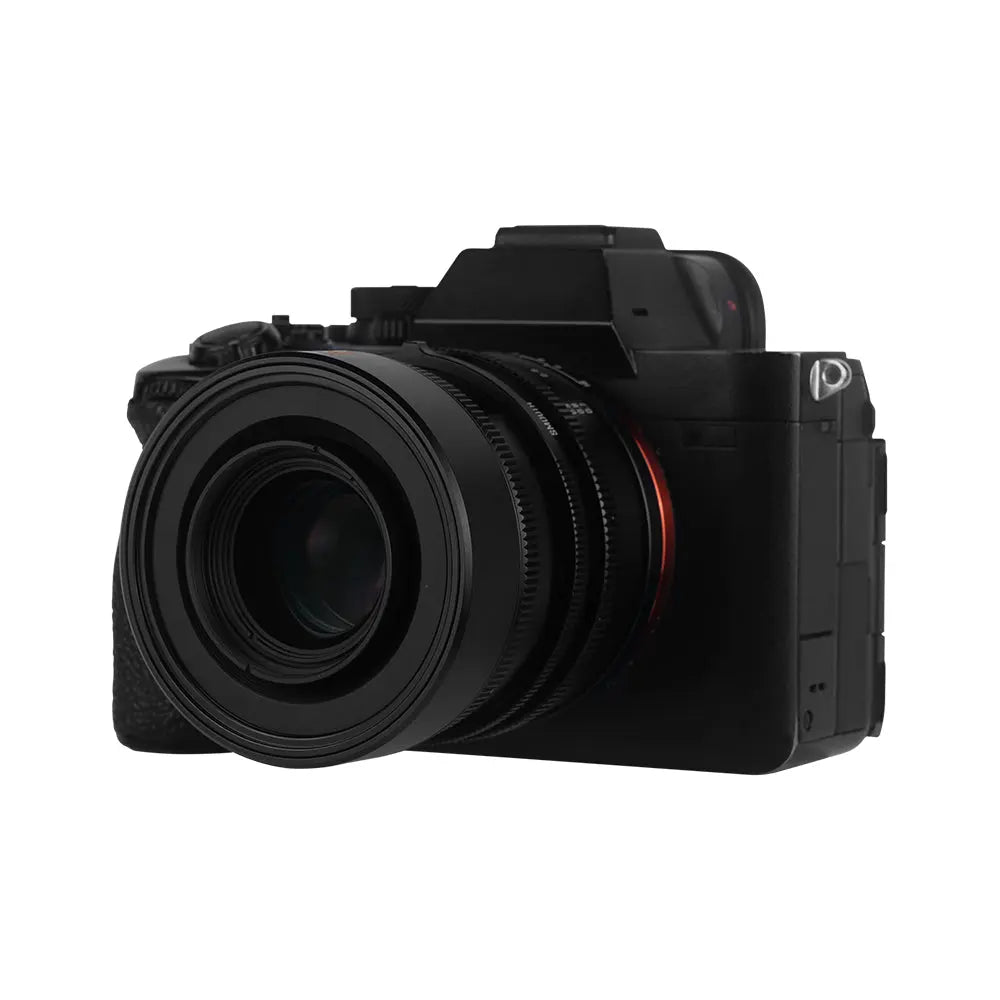
The lens covers full-frame sensors and is available in Sony E, Canon RF, Nikon Z, and L-Mount versions. Choose the version that matches your camera.
What is the minimum focusing distance?
The minimum focusing distance varies by mode: 0.9 m in SMOOTH, 0.8 m in PRIME, and 0.7 m in FOAMS.
What do the creative inserts do?
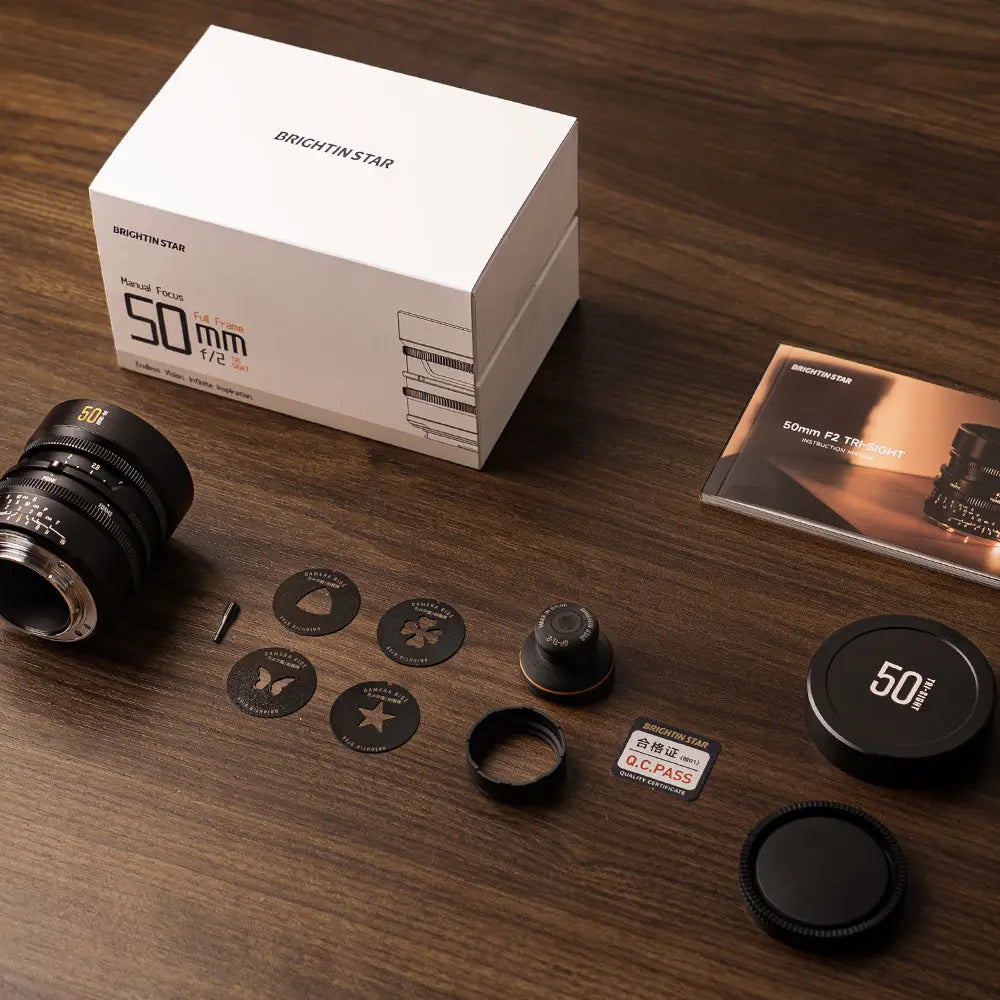
They reshape out-of-focus highlights. Four inserts are included: a rounded triangle, butterfly, four-leaf clover, and star.
How can I make the shaped bokeh more visible?
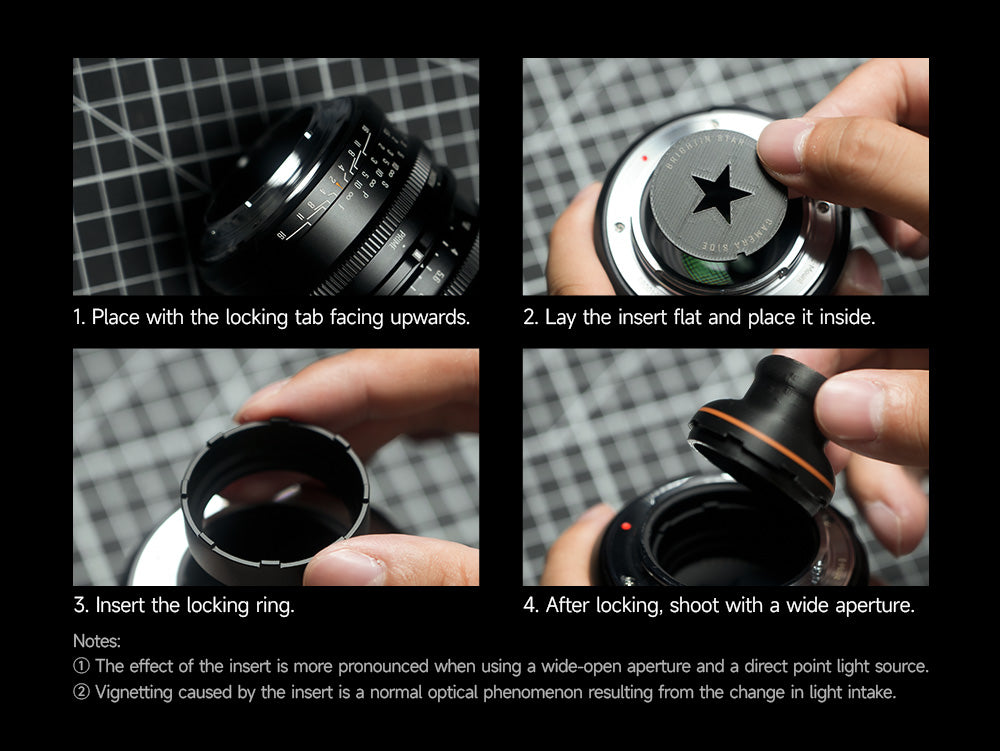
Shoot wide open at f/2 with small, bright lights in the out-of-focus background. String lights and distant night lights work well.
Is vignetting normal when using an insert?
Yes. Inserts can cause darker corners by changing how light passes through the lens. This is an expected optical effect.
Before fitting the lens cap
The front optical assembly extends in FOAMS mode. Switch to PRIME, set focus to infinity (∞), and make sure it is fully retracted before fitting the cap.
Changing creative inserts
Remove the lens from the camera and place it with the mount facing up. Use the supplied tool to unscrew the retaining ring counterclockwise. Lay the insert flat with “CAMERA SIDE” facing the camera, then secure the ring.
Getting the best effect
Bubble and shaped bokeh depend on the lighting, aperture, and focus distance. Use a wide aperture and out-of-focus point lights to make the effect more visible.